Once You See the Structure, You Can’t Unsee It
How documentary editing trained me to see where a product is failing.
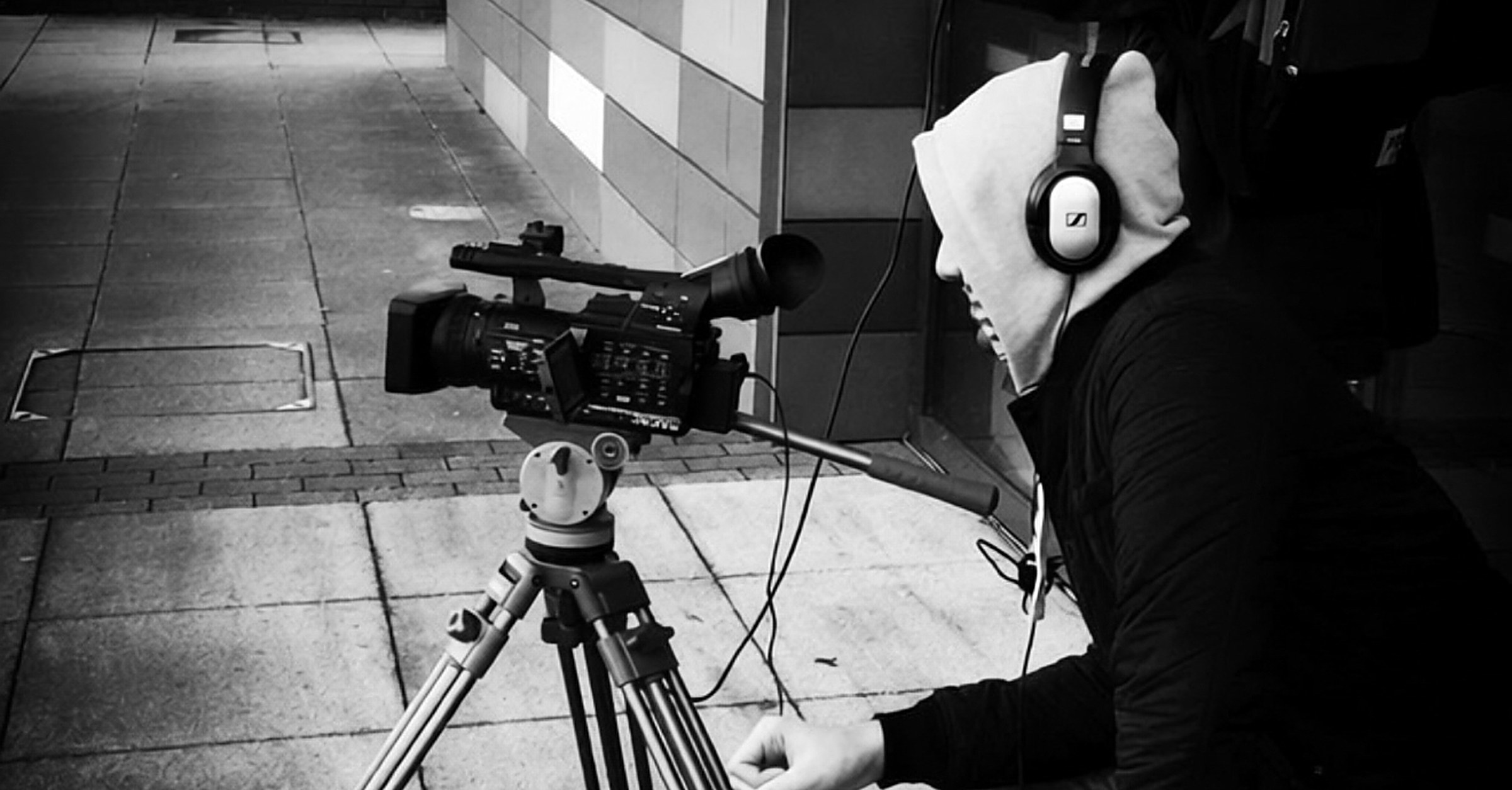

When I studied documentary filmmaking, my tutor Tracy Bass warned me about something. She said learning to see structure this closely turns you into a kind of monster. You can’t watch anything without noticing how it was built.
She was right. I stopped watching films the normal way and started watching the cuts. Ads got the same treatment.
Losing that was real. I don’t get lost in a story like I used to. What replaced it is a lens I still use every day, and it’s the most useful thing I brought into product management.
What documentary teaches you to see
Most of a documentary is made in the edit. You plan one film and shoot another, and the real story is found later in the footage you have.
That trains a specific kind of attention. You keep asking what each shot is doing for the story. Sometimes the answer is nothing, even for a shot you love. Then you cut it. Filmmakers call that killing your darlings.
Good structure is also invisible. Nobody watching a good documentary thinks about the cut. People notice only when something is off, like a scene that drags, and even then they can’t say why. They just stop caring.
Pointing the lens at a product
A product flow behaves the same way. When it’s built well, nobody notices it. When it fails, users can’t tell you what went wrong. They hesitate and then they leave.
I can’t open a screen now without seeing its structure. I notice where two steps should be one. I notice features that exist because someone on the team loved them, when users never needed them. Those are darlings too.
The clearest case was an AI front desk product I worked on. The AI answered patients and customers at any hour. In one conversation it went too far and kept answering when it should have handed over to a person.
After that, my main question became where the AI should stop. I decided anything medical or billing would go straight to a human. In editing, where you end a scene shapes how the whole film feels. A conversation with an AI is no different.
Why this matters for product managers
Product problems rarely show up as bugs. Usually people just quietly stop doing what you hoped. Data shows you where they drop off but rarely why. Seeing structure helps you form a better guess, and then you test it.
You don’t need film school for this. Open an app you use every day and look at it the way an editor looks at a rough cut. Ask what each screen is for and what you would cut first.
Her warning held up. I still can’t just watch a film. But when I open a product, I’m watching the edit, and that’s the part of this job I enjoy most.